In the year 1917, a significant event took place that had a lasting impact on history. This event marked a turning point in the course of world affairs and shaped the future for generations to come. It signaled a shift in power dynamics and set the stage for political, social, and economic changes on a global scale.
1917 was the year of the Russian Revolution, a series of political uprisings in Russia that ultimately led to the overthrow of the centuries-old Romanov dynasty and the establishment of the world’s first communist state. The revolution was fueled by widespread discontent among the Russian population, who were suffering from extreme poverty, inequality, and the hardships of World War I.
The revolution began in February 1917 with mass protests and strikes in Petrograd (now St. Petersburg) that forced Tsar Nicholas II to abdicate the throne. A provisional government was established, but it failed to address the grievances of the people and maintain law and order. This paved the way for the Bolsheviks, led by Vladimir Lenin, to seize power in the October Revolution later that year.
The Bolsheviks, a radical socialist group, promised “peace, land, and bread” to the Russian people and carried out a coup against the provisional government. This marked the beginning of a new era in Russian history, as the Bolsheviks set out to build a socialist society based on Marxist principles.
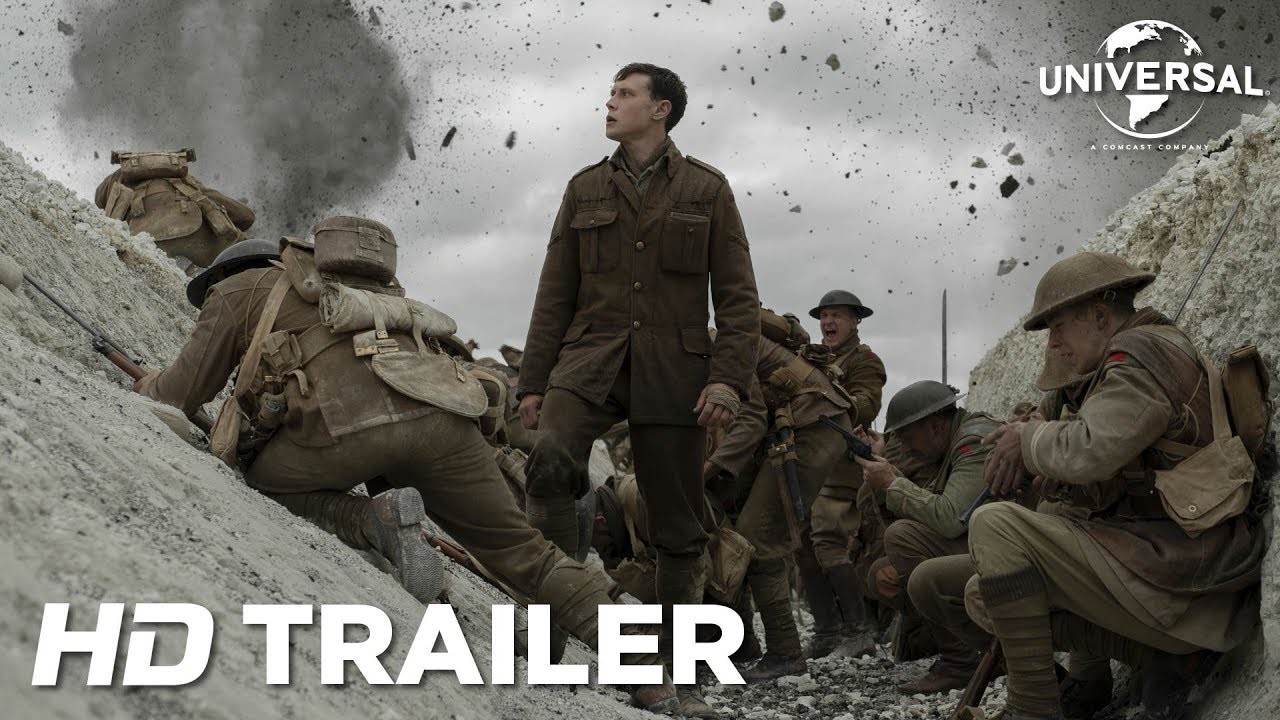
![1917 | Official Trailer [HD]](https://i.ytimg.com/vi/qklLQ74DoQE/maxresdefault.jpg)
The aftermath of the Russian Revolution was tumultuous. A brutal civil war broke out between the Bolshevik “Reds” and their opponents, the “Whites,” leading to widespread violence and destruction. The Bolsheviks emerged victorious and established the Soviet Union in 1922, laying the foundations for a communist state that would last until 1991.
The impact of the Russian Revolution extended far beyond Russia’s borders. It inspired socialist movements around the world and fueled fears of communist uprisings in other countries. The revolution also had a profound impact on geopolitics, leading to the rise of the Soviet Union as a superpower and shaping the course of the 20th century.
In conclusion, the year 1917 marked the beginning of a new chapter in world history with the Russian Revolution. It reshaped the political landscape, ushered in an era of communist rule, and set the stage for decades of ideological conflict and geopolitical tensions.