During the early days of World War II, the Battle of Dunkirk unfolded as a pivotal moment in history. This event, also known as the Dunkirk evacuation, took place in late May and early June of 1940, during the early stages of WWII. The operation involved the evacuation of Allied soldiers from the beaches and harbor of Dunkirk, a coastal town in northern France.

The evacuation of Dunkirk was a remarkable effort that saw a diverse array of British, French, and Belgian troops rescued from the advancing German forces. The operation, code-named Operation Dynamo, utilized a vast array of naval vessels, merchant ships, and even civilian boats to ferry the stranded soldiers back to England.
The evacuation of Dunkirk remains one of the most significant events of World War II, symbolizing the spirit of resilience and unity in the face of overwhelming odds. Despite being surrounded by German forces and facing imminent capture or annihilation, the Allied soldiers at Dunkirk displayed remarkable courage and determination.
The success of the Dunkirk evacuation was a turning point in the war, allowing the rescued soldiers to regroup and contribute to the ongoing conflict. Winston Churchill, then Prime Minister of the United Kingdom, famously hailed the operation as a “miracle of deliverance” and a symbol of British resolve.
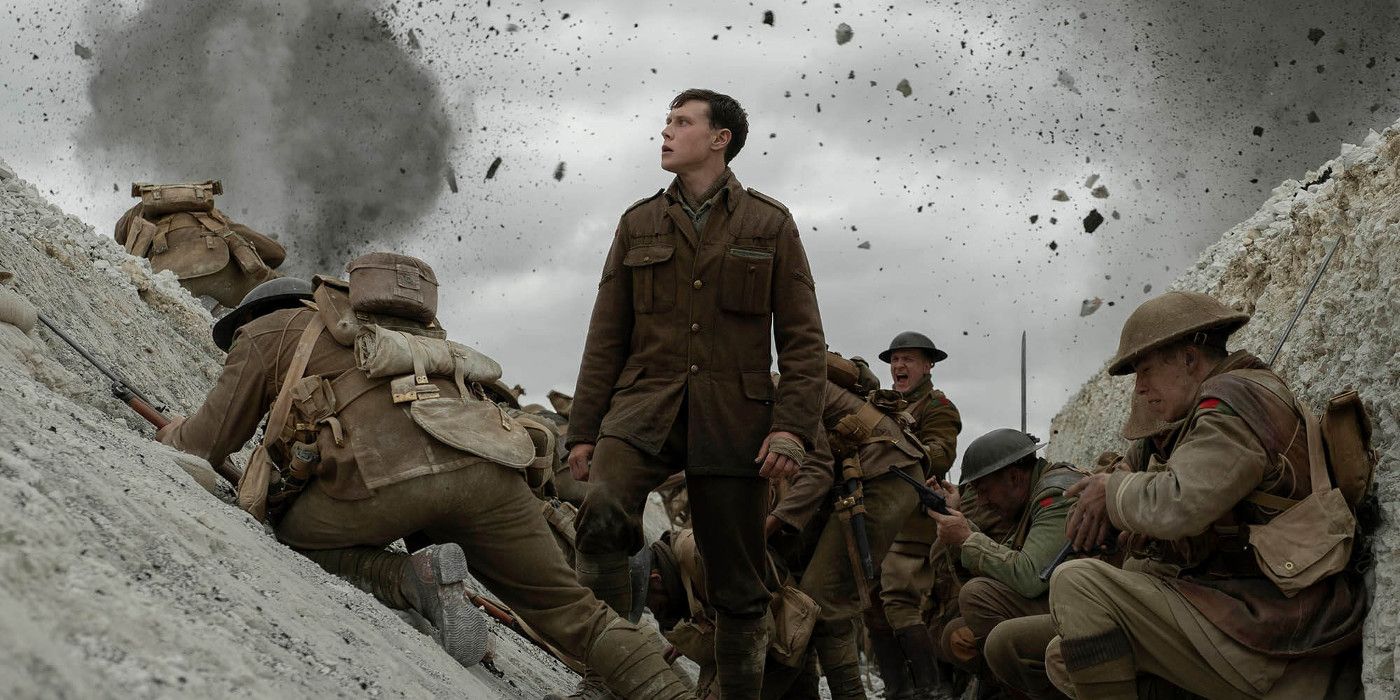
The story of Dunkirk continues to captivate audiences and historians alike, serving as a testament to the indomitable human spirit in the face of adversity. The evacuation remains a powerful reminder of the sacrifices made during wartime and the importance of collective action in times of crisis.
In conclusion, Dunkirk stands as a shining example of courage, sacrifice, and solidarity in the face of overwhelming odds. The bravery and resilience displayed during this historic event continue to inspire generations, reminding us of the enduring power of unity in the darkest of times.