The term “centurion” originates from ancient Rome, where it denoted a professional officer responsible for leading 100 infantry soldiers. These centurions were the backbone of the Roman army, commanding respect and authority both on and off the battlefield.

Centurions were known for their exceptional leadership skills and battlefield prowess. They underwent rigorous training and demonstrated unwavering dedication to the Roman Empire. Each centurion wore a distinctive crest on his helmet, signifying his rank and status among the troops.
In battle, centurions led from the front, inspiring their soldiers to fight with valor and determination. They were often involved in the thick of combat, displaying courage and strategic acumen that earned them the admiration of their men.
Beyond the battlefield, centurions were responsible for maintaining discipline and order within the ranks. They enforced military regulations, resolved disputes, and ensured that soldiers adhered to strict codes of conduct. Centurions were both feared and respected by their subordinates, as they wielded power and authority with a firm but fair hand.
Centurions also played a crucial role in training new recruits and honing the skills of seasoned soldiers. They instilled a sense of camaraderie and unity among the troops, fostering a strong esprit de corps that was essential for success in combat.
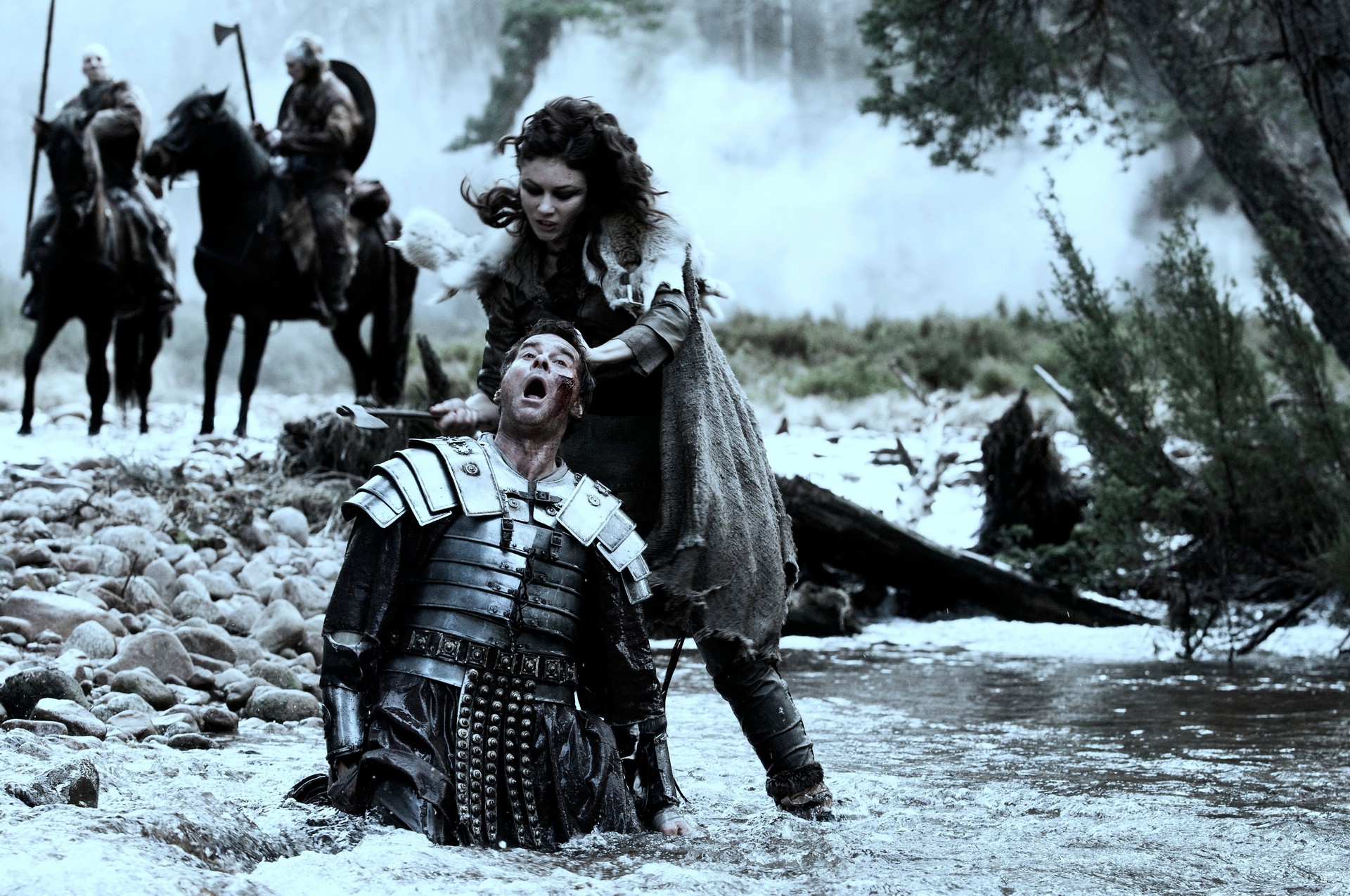
The legacy of the centurion endures to this day as a symbol of leadership, courage, and honor. Their stories have been immortalized in literature, art, and film, showcasing their enduring appeal as legendary warriors of antiquity.
In conclusion, the centurion stands as a timeless symbol of military excellence and leadership. Their unwavering dedication to duty and willingness to sacrifice for the greater good continue to inspire generations of soldiers and leaders alike. The legacy of the centurion serves as a reminder of the enduring values of courage, honor, and discipline that are essential for success in any endeavor.