The Book of Revelation, also known as the Apocalypse of John, is a prophetic book of the New Testament that has fascinated and perplexed readers for centuries. With its vivid imagery, symbolic language, and apocalyptic themes, the text has been the subject of numerous interpretations and debates among theologians and scholars. In 2024, the significance of the Book of Revelation continues to captivate believers and non-believers alike.
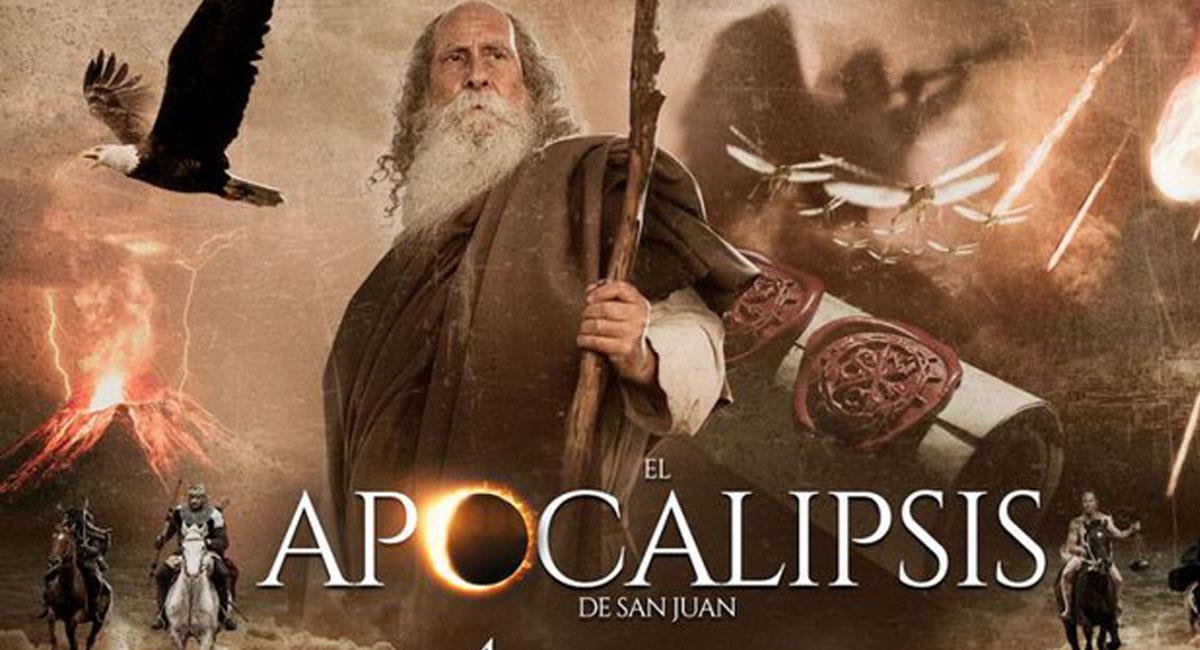
The Book of Revelation, attributed to the apostle John, is believed to have been written towards the end of the first century. It contains a series of visions and prophecies that foretell the end times, the second coming of Christ, and the ultimate triumph of good over evil. The book is structured in a way that combines elements of prophecy, apocalyptic literature, and letters addressed to seven churches in Asia Minor.
One of the most striking features of the Book of Revelation is its use of symbolism and imagery to convey its message. The book is filled with vivid descriptions of angels, beasts, dragons, and cosmic events that are meant to be interpreted allegorically. The repeated use of the number seven, for example, symbolizes completeness and perfection in biblical numerology.

Throughout history, the Book of Revelation has been the subject of various interpretations, with different scholars and theologians offering their own views on its meaning. Some see it as a literal prediction of future events, while others interpret it as a symbolic depiction of the ongoing struggle between good and evil in the world. The book’s apocalyptic themes and cataclysmic visions have inspired awe, fear, and hope in readers across different cultures and time periods.
In 2024, as the world grapples with global challenges and uncertainties, the messages of the Book of Revelation continue to resonate with many people. Its themes of redemption, judgment, and the ultimate triumph of righteousness offer a sense of comfort and reassurance to those who seek meaning and purpose in a chaotic world. Whether one views the book as a literal prophecy or a symbolic narrative, its enduring popularity and intrigue attest to its lasting impact on religious and cultural imagination.