The killer whale, also known as the orca, is a magnificent creature that captivates the hearts of all who behold its beauty. These marine mammals are highly intelligent and social beings, living in pods that exhibit complex social structures and strong family bonds.
Featuring distinctive black and white coloring, killer whales are easily recognizable in the ocean. They are apex predators, with a diverse diet that includes fish, seals, and even other whales. Known for their remarkable hunting skills, killer whales often work together in coordinated efforts to catch their prey.
One of the most fascinating aspects of killer whales is their communication abilities. They use a variety of vocalizations, including clicks, whistles, and pulsed calls, to communicate with each other and navigate their environment. Each pod has its own unique dialect, passed down through generations, allowing them to maintain close-knit relationships within their family groups.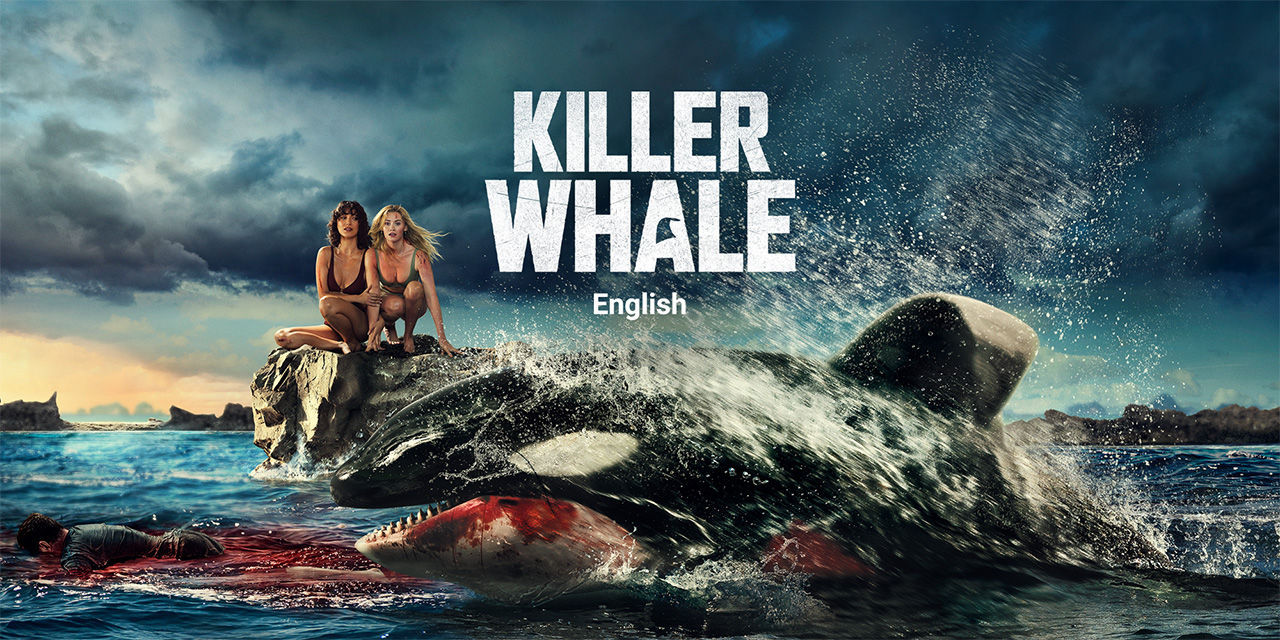
Killer whales are also highly migratory animals, with some populations traveling vast distances in search of food. They are found in oceans around the world, from the icy waters of the Arctic to the tropical seas near the equator. Despite their widespread distribution, killer whales face threats from human activities such as pollution, habitat loss, and overfishing.
Conservation efforts are underway to protect these incredible animals and ensure their survival for future generations to admire and learn from. By raising awareness about the importance of preserving marine ecosystems and reducing our impact on the environment, we can help safeguard the future of the majestic killer whale.
In conclusion, the killer whale is a symbol of strength, intelligence, and unity in the natural world. By respecting and protecting these awe-inspiring creatures, we can appreciate the wonders of the ocean and the interconnectedness of all living beings on our planet.