The Mount Everest Disaster remains one of the most heartbreaking incidents in the history of mountain climbing. This catastrophic event took place on May 10-11, 1996, and claimed the lives of eight climbers. Despite the tragic outcome, this disaster has shed light on the dangers and challenges that adventurers face when attempting to conquer the world’s highest peak.
One of the key factors that contributed to the disaster was the sudden change in weather conditions. A fierce storm swept across the mountain, catching many climbers off guard and leaving them exposed to freezing temperatures and high winds. As a result, several climbers lost their way and became disoriented, making it difficult for them to find their way back to safety.
In addition to the harsh weather conditions, the high altitude also played a significant role in the disaster. Mount Everest stands at a staggering 29,029 feet above sea level, where oxygen levels are significantly lower, posing a serious risk of altitude sickness and other health complications. Many climbers experienced exhaustion and difficulty breathing, further complicating their already perilous situation.
The lack of experience and proper preparation also contributed to the tragedy. Some climbers were ill-equipped and inexperienced, underestimating the challenges of climbing Everest. In such extreme conditions, even the slightest mistake or oversight can have grave consequences, as was tragically demonstrated during this disaster.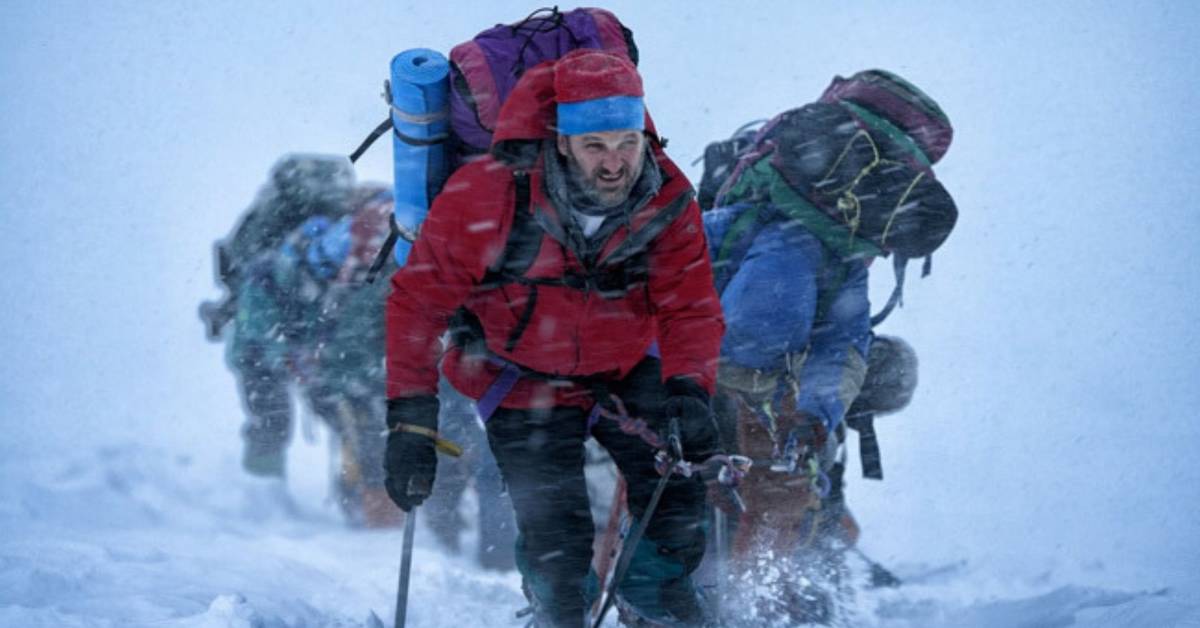
Despite the heroic efforts of the guides and fellow climbers who tried to rescue those in distress, the harsh reality of Mount Everest’s unforgiving nature became apparent. The climbers’ determination and resilience were put to the ultimate test, highlighting the inherent risks and uncertainties involved in mountain climbing.
In conclusion, the Mount Everest Disaster serves as a stark reminder of the dangers and unpredictability of nature, particularly in extreme environments like the Himalayas. It underscores the importance of thorough preparation, experience, and respect for the mountain in any climbing expedition. While the tragedy of 1996 will forever be etched in the history of mountaineering, it also serves as a cautionary tale for future generations of adventurers who dare to challenge the world’s highest peaks.