In 2025, the highly acclaimed novel “The Book of Negroes” continues to resonate with readers around the world. This powerful historical fiction, written by Lawrence Hill, delves into the harrowing journey of Aminata Diallo, a young African woman who is captured and sold into slavery in the late 18th century.
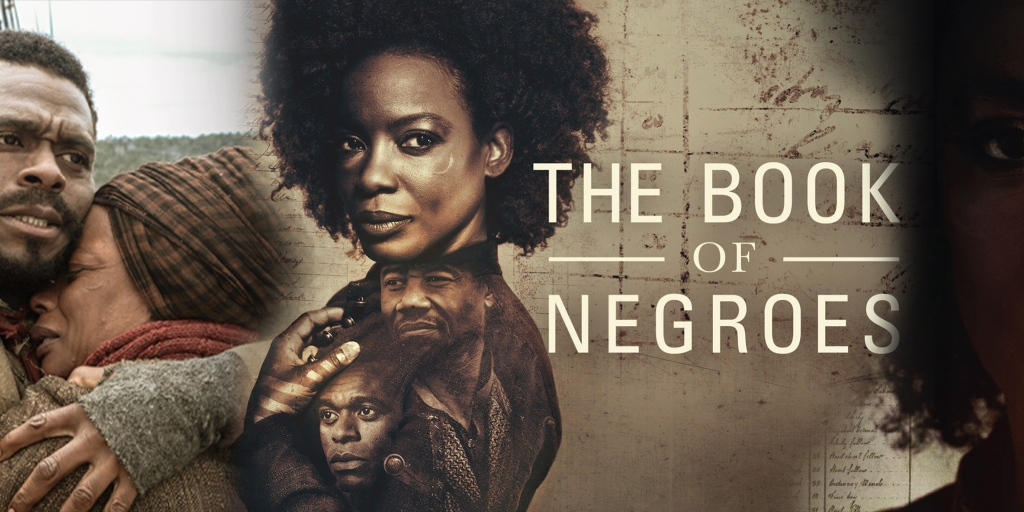
The novel follows Aminata’s story as she navigates the horrors of the transatlantic slave trade, enduring unimaginable hardships and injustices along the way. Despite the brutality she faces, Aminata never loses her resilience and determination to find freedom and reclaim her identity.
Through Hill’s poignant narrative, readers are confronted with the harsh realities of slavery and the enduring legacy of racism. “The Book of Negroes” sheds light on the strength and resilience of enslaved individuals, highlighting their ability to persevere in the face of immense adversity.
Hill’s storytelling is not only a gripping account of one woman’s journey to freedom but also a profound exploration of identity, belonging, and the enduring power of the human spirit. Aminata’s tale serves as a poignant reminder of the atrocities of the past and the importance of remembering and honoring the struggles of those who came before us.

As readers immerse themselves in the pages of “The Book of Negroes,” they are transported to a time and place where injustice and cruelty reigned, but where the human spirit ultimately triumphed. The novel challenges us to confront uncomfortable truths about our shared history and to reflect on the ongoing impact of systemic oppression and inequality.
In 2025, “The Book of Negroes” stands as a timeless and essential work that continues to provoke thought, inspire empathy, and ignite conversations about race, identity, and justice. Its enduring relevance serves as a powerful testament to the importance of storytelling in confronting the past and shaping a more equitable future.