In 2025, “Washington Black” remains a captivating novel that continues to enthrall readers with its rich storytelling and compelling narrative. This literary masterpiece, written by Esi Edugyan, takes us on a journey through the eyes of its young protagonist, Washington Black, as he navigates through the complexities of life in the 19th century.
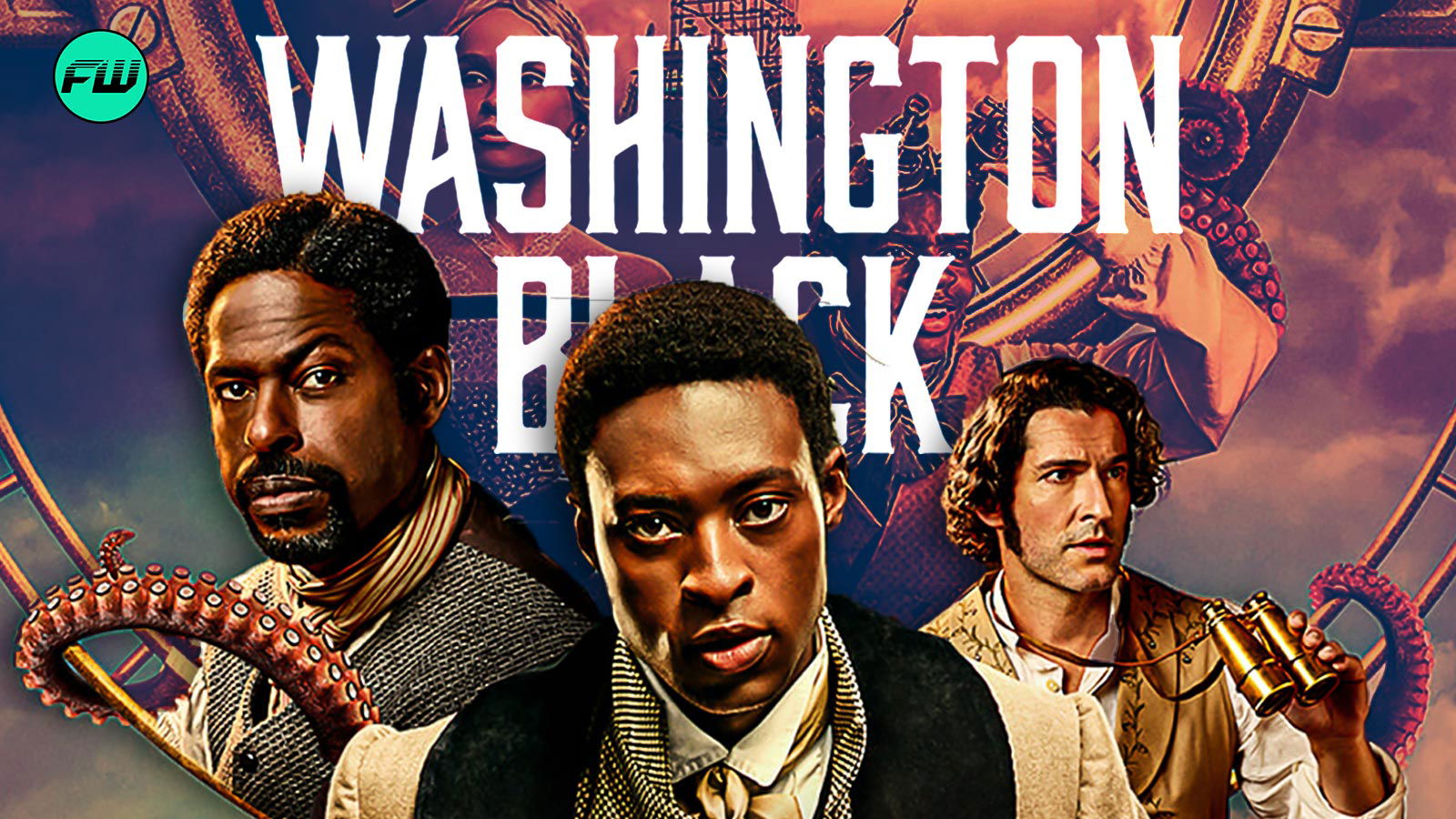
Set against the backdrop of slavery and exploration, “Washington Black” is a poignant tale of survival, resilience, and the enduring power of friendship. The novel follows the life of Washington Black, an 11-year-old slave on a Barbados sugar plantation, whose life takes a dramatic turn when he is chosen to be the personal servant of his master’s eccentric brother, Christopher Wilde.
As Washington embarks on a thrilling adventure with Christopher, he discovers a world beyond the confines of the plantation, where his artistic talents and curiosity are nurtured. Through their travels across the globe, from the Caribbean to the Arctic, Washington learns about the complexities of freedom, identity, and the pursuit of knowledge.
Esi Edugyan’s masterful prose brings to life a vivid cast of characters and landscapes, immersing readers in a rich tapestry of historical detail and emotional depth. The novel deftly explores themes of race, class, and belonging, challenging readers to confront the injustices of the past while celebrating the resilience of the human spirit.

With its evocative storytelling and powerful themes, “Washington Black” continues to resonate with audiences around the world, garnering critical acclaim and numerous literary awards. Esi Edugyan’s poignant exploration of one boy’s journey to freedom is a testament to the enduring power of hope and the triumph of the human spirit against all odds.
In conclusion, “Washington Black” is a timeless tale that invites readers to question the boundaries of freedom and the true meaning of identity in a world fraught with challenges. Esi Edugyan’s remarkable novel stands as a testament to the enduring power of storytelling and the transformative impact of literature on our understanding of the past and the present.