“Snowpiercer” is a riveting 2013 film that takes viewers on a thrilling journey through a post-apocalyptic world. Directed by Bong Joon-ho, this sci-fi masterpiece is set in a dystopian future where humanity’s only survivors are aboard a perpetually-moving train traveling around a frozen Earth.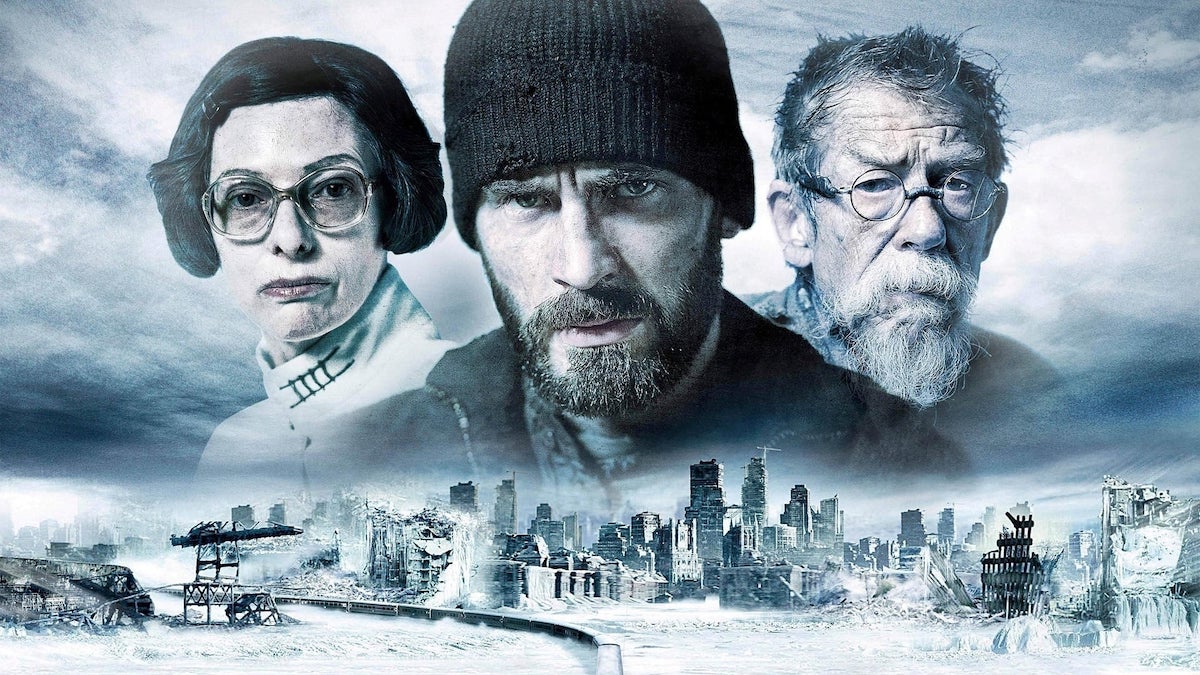
The film stars Chris Evans as Curtis, a member of the lower-class passengers at the rear of the train who lead a revolt against the oppressive regime that controls the train. Tilda Swinton delivers a standout performance as Mason, the spokesperson for the elite class at the front of the train, adding depth to the film’s social commentary.
One of the most striking aspects of “Snowpiercer” is its thought-provoking social commentary. The train is a microcosm of society, with clear class divisions that mirror real-world inequalities. The stark contrast between the luxurious front cars and the squalid conditions at the rear highlights the issues of privilege and oppression.
As the revolution unfolds, “Snowpiercer” takes viewers on a visually stunning and action-packed ride. The fight scenes are intense and well-choreographed, drawing viewers into the struggle for survival and justice. The film’s cinematography is impressive, capturing both the claustrophobic interiors of the train and the icy landscapes outside.
In addition to its social commentary and action sequences, “Snowpiercer” also delves into deeper themes such as environmentalism and the consequences of human hubris. The train itself serves as a metaphor for society’s unsustainable practices and the need for balance and stewardship of the planet.
Overall, “Snowpiercer” is a gripping and thought-provoking film that offers much more than meets the eye. Its exploration of class struggle, social injustice, and environmental themes lingers long after the credits roll. For fans of sci-fi and compelling storytelling, “Snowpiercer” is a must-watch that will leave you pondering its messages for days to come.